Reviewing the Second Grade Crew SVG for Real Embroidery
As a designer who spends half my life digitizing and the other half stitching, I approach every new machine embroidery design with a healthy dose of skepticism. We have all been there: you download a cute graphic, load it onto your machine, and watch in horror as the thread nests into a bird’s nest because the original file was never intended for needle and thread. Today, I am taking a close look at the Second Grade Crew Svg, Second Grade Svg to see if it holds up under the pressure of real-world production.
This isn’t just about whether the lines are pretty on a screen. It is about how this embroidery file behaves when it hits fabric. Whether you are an Etsy seller preparing for the back-to-school rush or a hobbyist making a personalized gift for a neighbor’s child, understanding the structural integrity of your design assets is crucial. Let’s break down how this specific graphic translates from a digital cut file to a tangible, stitched finished product.
First Impressions and Visual Personality
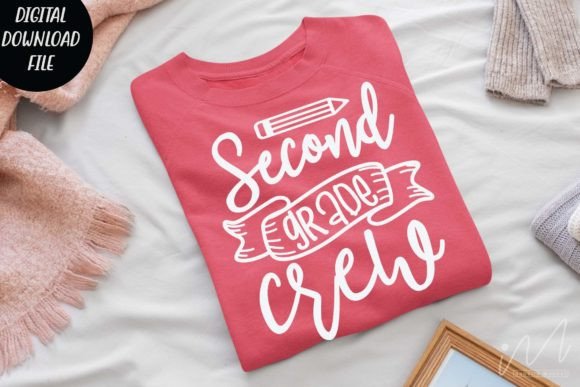
The phrase “Second grade crew” carries a specific energy. It is playful, communal, and slightly trendy, tapping into that “squad” aesthetic that parents and teachers love. Visually, the layout of the Second Grade Crew Svg, Second Grade Svg suggests a bold, sans-serif typography style. For embroidery, this is generally good news. Bold letters translate well because they provide enough surface area for fill stitch coverage without requiring microscopic precision that most home machines struggle with.
The mood here is casual and fun. It does not try to be elegant or formal, which makes it perfect for custom apparel like t-shirts and sweatshirts. When I look at this as a potential T-Shirt Designs element, I see versatility. It is not overly cluttered with decorative swirls or tiny icons that could cause registration issues. The simplicity of the text-focused layout means the visual personality relies entirely on font choice and spacing, both of which seem balanced in the provided preview.
Real-World Application: The Sweatshirt Test
To truly evaluate this design, I imagined a specific project: a heather grey youth-sized sweatshirt for a second grader’s first week of school. This is a classic small shop product scenario. The goal is durability and comfort. Since the Second Grade Crew Svg, Second Grade Svg is primarily text-based, it sits flat against the chest area, avoiding the bulk that complex applique design layers might add.
In this context, the design performs well as a centerpiece. It is large enough to be read from a distance but compact enough to fit within standard hoop sizes. If you are running a craft business, this type of embroidery project is a volume seller. Parents want something that looks professional but feels handmade. The clean lines of this graphic allow for crisp stitching, which elevates the perceived value of the garment. It moves beyond a simple print and becomes a textured, tactile handmade product that stands out in a crowded market.
Considerations for Fabric and Texture
However, we must talk about fabric texture. While this design looks great on cotton or polyester blends, caution is needed with textured fabrics like terry cloth towels or fuzzy fleece. The edges of the letters need to remain sharp. If you are stitching on a tote bag design made of canvas, the natural weave of the fabric might interfere with the clarity of smaller details if the design is scaled down too much.
For baby embroidery projects, such as onesies or bibs, you must consider the stitch density. A dense fill stitch on a thin, stretchy knit can cause puckering. I recommend using a high-quality cut-away stabilizer to support the fabric. If you are new to working with these materials, always test the design on scrap fabric first. Check how the thread colors interact with the background. A bright white thread on a dark navy shirt will pop, but ensure your tension is adjusted so the bobbin thread does not show through.
Navigating Technical Constraints
One critical aspect of reviewing any SVG-based graphic for embroidery is the conversion process. The product description notes that you receive SVG, DXF, EPS, and PNG formats. It is vital to understand that these are vector cut files, not native embroidery files like PES or DST. You will need embroidery software to convert the Second Grade Crew Svg, Second Grade Svg into a stitch file.
This step is where many beginners stumble. When converting, pay attention to the running stitch outlines versus satin stitch borders. For a design like this, a satin stitch border around the letters can give a polished, professional look, but it requires precise digitizing. If the letters are too narrow, a satin stitch might collapse. In such cases, a simple fill stitch with a running stitch outline might be more robust. Always check the hoop size compatibility. Ensure the design fits comfortably within your machine’s maximum hoop dimensions, leaving room for proper hooping and stabilization.
Be particularly careful with curved surfaces. If you plan to use this on a cap, the curvature of the crown can distort the text. You may need to adjust the pull compensation in your digitizing software to prevent the letters from looking squashed. For flat items like pillow covers or kitchen towel accents, the design will hold its shape much better.
Commercial Viability and Brand Consistency
For commercial embroidery professionals and digital product sellers, consistency is key. The Second Grade Crew Svg, Second Grade Svg offers a clean aesthetic that aligns well with modern boutique branding. It is not overly childish, which allows it to appeal to older elementary students as well. This broadens your target market.
When creating printable mockup images for your online store, remember that the digital representation may look smoother than the stitched reality. Use high-resolution photos of actual stitched samples to build customer trust. Show the texture of the thread and the quality of the backing. This transparency helps buyers understand what they are purchasing, reducing returns and increasing satisfaction.
Additionally, consider the licensing. Before selling finished items or digital products derived from this graphic, confirm the license terms provided by the creator. Most commercial licenses allow for physical sales but restrict the resale of the digital file itself. Always clarify this to protect your small business merchandise operations.
Final Verdict for Makers
The Second Grade Crew Svg, Second Grade Svg is a solid candidate for back-to-school collections. Its strength lies in its simplicity and bold typography, which translate well to embroidery when properly digitized. It works beautifully for sweatshirt embroidery, embroidered patch creations, and holiday embroidery gifts for teachers.
My advice is to treat the SVG as a starting point, not the final product. Invest time in proper digitizing or use auto-digitizing features with caution. Test on various fabrics, adjust your stabilizer, and choose contrasting thread colors to make the text pop. With these steps, this design can become a staple in your design assets library, helping you create memorable, high-quality items for your customers.