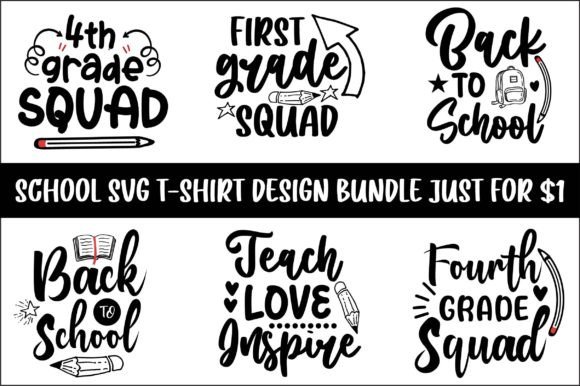
Review: Peace Love 100 Days of School SVG Design
As a designer who spends more time staring at stitch simulations than actual sunlight, I have learned that not every digital file translates well to fabric. We see thousands of Graphics and vectors floating around the internet, promising easy wins for our craft businesses. But when it comes to the needle hitting the cloth, reality is often different from the screen. Recently, I pulled up the Peace Love 100 Days of School Svg Design to evaluate its potential for a upcoming spring collection. My goal was not just to look at it, but to imagine it stitched out on real garments for real customers.
First Impressions and Visual Personality
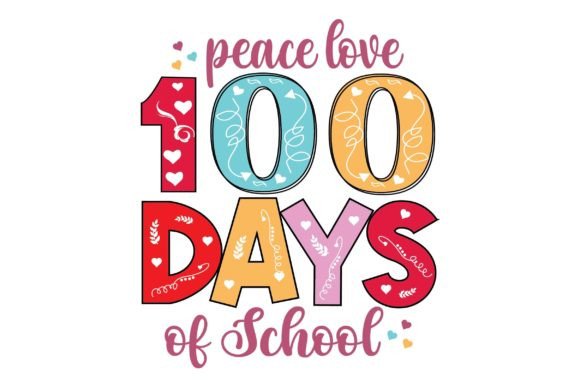
The first thing that strikes you about this design is its balanced energy. It captures the whimsical, celebratory mood of the 100th day of school without feeling cluttered. The layout combines iconic peace and love symbols with the milestone number, creating a cohesive visual narrative. For an embroidery designer, this is crucial. We need designs that communicate instantly. When a parent sees this on a custom apparel item, they should immediately understand the context: celebration, kindness, and educational milestones.
The line work appears clean, which is a good sign for digitizing potential. However, as someone who reviews T-Shirt Designs regularly, I look closer at the negative space. Is there enough room for the stitches to breathe? In this case, the spacing between the elements suggests that it could work well as a standard machine embroidery design, provided the digitizer respects the original vector’s intent. It does not scream for complex applique design techniques, though that could be an option if you want to reduce stitch count on larger hoop sizes.
Real-World Application: The Sweatshirt Test
To truly test the viability of the Peace Love 100 Days of School Svg Design, I imagined a specific client project. A local boutique owner wanted a run of twenty children’s sweatshirts for a school event. This is a common scenario for any Etsy seller or small shop product creator. The question was: would this design hold up on fleece?
Sweatshirts are tricky. They are thick, textured, and prone to shifting. If the design relies on tiny, intricate details, they will get lost in the pile of the fabric. Looking at this design, the boldness of the "100" and the recognizable shapes of the peace sign and heart suggest it would perform well. The key here is stitch type. I would recommend using a combination of satin stitch for the borders and a light fill stitch for any larger solid areas. This ensures the design remains legible without becoming a dense, cardboard-like patch on the child’s chest.
If you are creating a personalized gift or a handmade product for a baby, you must consider comfort. A dense design on a soft onesie can be irritating. For baby items, I would scale this down significantly and perhaps use a running stitch outline rather than a full fill. This keeps the embroidery project lightweight and flexible, which is essential for baby embroidery.
Fabric Considerations and Technical Challenges
Not every surface is created equal. While this design is marketed for various uses, including mugs and cards, our focus is on textiles. When moving from a flat t-shirt to a curved surface like a cap, the dynamics change. Caps have limited hoop space and curved seams. If you plan to use this as a tote bag design or on a structured hat, you must check the dimensions carefully.
One area of caution is the lettering. If the quote included in the design features small text, it may not stitch out clearly on textured fabrics like linen or heavy canvas. Always test your embroidery file on scrap fabric first. I cannot stress this enough. What looks crisp on a high-resolution monitor can turn into a tangled mess of thread if the stitch density is too high for the material. For dark fabrics, ensure your thread colors have enough contrast. A pastel thread on black cotton will vanish, ruining the visual impact of the finished product.
Additionally, consider the stabilizer. For stretchy fabrics like jersey knits used in t-shirts, a cut-away stabilizer is non-negotiable. It prevents the design from puckering after washing. For woven fabrics like those used in holiday embroidery projects or pillow covers, a tear-away might suffice, but always test first. The stability of the fabric directly affects the professionalism of your commercial embroidery work.
Commercial Viability and Brand Consistency
For creative entrepreneurs and digital product sellers, the appeal of the Peace Love 100 Days of School Svg Design lies in its versatility. It fits neatly into the seasonal rush of school milestones. But beyond seasonality, does it fit your brand? If your shop specializes in minimalist, modern aesthetics, this playful design might clash. However, if your brand leans toward cheerful, community-focused, or family-oriented values, this design is a strong asset.
Using this design in your craft business can enhance customer trust if executed well. A clean, well-stitched design signals quality. It shows that you care about the details. Conversely, a poorly digitized version can damage your reputation. Before listing this as a small shop product or using it in printable mockup previews, ensure the digitization matches the quality of the original vector. Buyers engage with products that look professional and durable.
When creating design assets for your portfolio, consider showing the design on multiple items. Show it on a tote, a shirt, and a patch. This helps customers visualize the embroidered patch or garment in their own lives. It increases the perceived value of the custom apparel you are selling.
Practical Designer Notes for Execution
Before you load this into your machine, take a moment to review the technical specifics. Since the product description mentions it is an SVG, remember that SVGs are vector graphics primarily for cutting or printing. For embroidery, you need a proper digital embroidery file format compatible with your machine, such as PES, DST, or JEF. Do not assume the SVG converts perfectly without manual digitizing adjustments.
- Check Licensing: Confirm whether the license allows for commercial use. Can you sell finished items? Can you resell the digital file? Never assume. Read the terms carefully to protect your crafter business.
- Test Stitch Density: High density looks lush but can pucker thin fabric. Low density is faster but may show the background fabric. Find the balance.
- Contrast Check: View the design in black and white. If the elements blend together, you may need to adjust thread colors or add underlay stitches for definition.
- Hoop Size: Ensure the design fits within your standard hoops. If it requires a large hoop, factor that into your pricing and production time.
- Fabric Texture: Remember that looped towels or fuzzy fleece will hide fine details. Simplify if necessary.
In conclusion, the Peace Love 100 Days of School Svg Design offers a solid foundation for a variety of embroidery projects. It is timely, visually appealing, and versatile. However, its success depends entirely on your execution. Treat it with the respect it deserves: test it, stabilize it, and stitch it with precision. When done right, it becomes more than just a graphic; it becomes a cherished personalized gift or a best-selling item in your online store. Happy stitching.