Reviewing the Color Guard SVG Cut File for Embroidery
As a designer who spends half my life staring at digitized paths and the other half pulling bobbins out of tangled messes, I have learned to look past the glossy preview images. When I downloaded the Color Guard SVG Cut File, my immediate goal was not just to see if it looked cute on a screen, but to determine if it could survive the rigors of a real embroidery project. For those of us running a craft business or selling on Etsy, the difference between a bestseller and a refund request often comes down to how a design behaves under the needle.
This review breaks down the practical application of this digital embroidery file, focusing on its viability for custom apparel, handmade products, and commercial use. We are looking at this from the perspective of someone who needs to deliver a high-quality finished product to a client who expects durability and aesthetic appeal.
First Impressions: Mood and Visual Personality
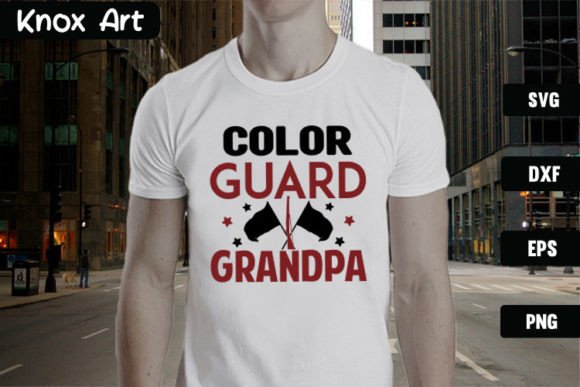
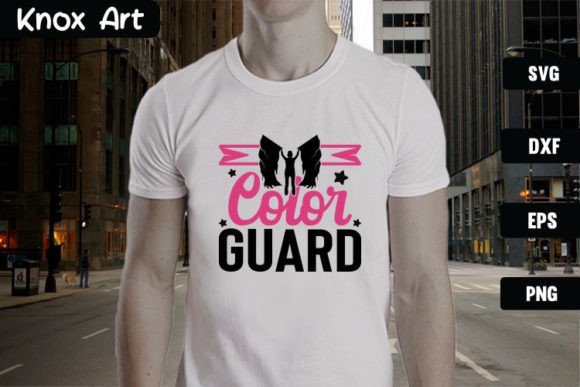
The Color Guard SVG Cut File carries a distinct energy. It is not just a static image; it evokes movement, precision, and the spirited atmosphere of marching band season. The layout typically features flags, rifles, or sabers intertwined with dynamic typography or symbolic shapes. For an embroidery designer, this presents both an opportunity and a challenge. The visual personality is bold and celebratory, making it an ideal candidate for holiday embroidery projects during the fall competition season or as a personalized gift for a proud parent or student.
However, the complexity of the lines in a Color Guard Flag Svg or Marching Band Svg requires careful consideration. In digital formats like SVG, PNG, EPS, and DXF, lines can appear infinitely thin. In embroidery, every line has width. My first observation was that the design relies heavily on clean, open spaces. This is good news for stitch clarity. If the design were too dense, it would pucker the fabric. Instead, the open nature of the graphics suggests it will sit well on a variety of materials without requiring excessive stabilizer manipulation, provided the digitizing matches the vector intent.
Real-World Application: From Screen to Stitch
To test the viability of this asset, I imagined a specific scenario: a custom order for a local high school booster club. They needed twenty tote bag design options and ten sweatshirt embroidery pieces for their senior members. This is where the Color Guard SVG Cut File proves its worth as a versatile design asset.
For the tote bags, which are usually made of heavier canvas, the design’s bold lines translate beautifully. The thread colors pop against the neutral background, and the lack of tiny, intricate details means the stitching remains crisp even on a textured surface. For the sweatshirts, however, the approach changes. A fleece or cotton blend requires a different touch. Here, the design serves as a strong central chest piece. Because the Graphics are scalable, I could adjust the size to fit a 4x4 hoop for a pocket logo or expand it for a full-front statement on a jacket.
It is important to note that while this is marketed among T-Shirt Designs, its application in embroidery requires a shift in thinking. A screen print can handle gradients and hairline fractures that embroidery cannot. Therefore, when using this file for commercial embroidery, one must ensure that any converted digitized version respects the limitations of the thread. The applique design potential is high here; using felt or satin fabric for the flag elements within the design could reduce stitch count and add a lovely tactile dimension to the embroidered patch or garment.
Navigating Fabric and Hoop Constraints
No design works everywhere, and honesty about limitations builds trust with your customers. The Color Guard SVG Cut File performs best on stable, medium-to-heavy weight fabrics. When working with thin or stretchy materials, such as performance tees or lightweight rayon, caution is required. The dynamic shapes, particularly if they include long, sweeping curves typical of a flag in motion, can distort if the hoop size is not secured tightly or if the stitch density is too high for the fabric weight.
I would advise against using this design on very small hoops, such as 1x1 inch cap cuffs, unless you are significantly simplifying the elements. Tiny lettering or fine details in the Color Guard Quote portion may become illegible when stitched out with standard polyester thread. On curved surfaces like caps, the design needs to be centered perfectly to avoid visual distortion. For baby embroidery items, such as onesies or burp cloths, the design should be scaled down and simplified to ensure comfort against sensitive skin, avoiding dense fill stitch areas that might feel stiff.
Dark fabrics present another consideration. If the design includes light-colored elements, you must plan your underlay stitches carefully. A solid satin stitch border can help define edges on dark navy or black uniforms, which are common in marching band attire. Testing the design on scrap fabric in both black and white mockups is essential before committing to the final custom apparel run.
Enhancing Product Value and Brand Consistency
For the Etsy seller or small shop product creator, the quality of your design directly impacts perceived value. A clean, well-executed Color Guard SVG Cut File allows for professional presentation. When customers see a crisp, well-stitched logo on a pillow cover or tea towel, they associate that quality with your brand. This consistency is key to building a loyal customer base.
Moreover, the versatility of receiving SVG, PNG, EPS, and DXF formats means you can create cohesive marketing materials. You can use the PNG for printable mockup previews on your website, showing the design on various products, while using the SVG for cutting vinyl decals to pair with the embroidered items. This multi-use capability increases the return on investment for the digital embroidery file.
Practical Notes for the Designer
Before you launch this design into your production line, consider these technical checkpoints:
- Test on Scrap: Always stitch a sample on the exact fabric type you intend to sell. Thread tension and fabric pull vary wildly between cotton, polyester, and blends.
- Check Contrast: Ensure your thread colors provide enough contrast against the fabric. A low-contrast combination can make the design look muddy from a distance.
- Review Density: If you are digitizing this SVG yourself, keep an eye on stitch density. Too many overlapping stitches will cause puckering, especially on lighter fabrics.
- Verify Licensing: The description notes it is a printable digital product with instant download. However, always confirm the license terms for commercial embroidery. Can you sell finished physical items? Can you resell the digital file? Clarity here protects your business.
- Stabilizer Selection: Use a cut-away stabilizer for stretchy garments like sweatshirts to prevent distortion over time. Use tear-away for stable woven fabrics like tote bags or aprons.
In conclusion, the Color Guard SVG Cut File is a robust option for designers targeting the marching band and performance arts niche. It offers a blend of thematic relevance and visual impact that, when handled with technical care, results in high-quality handmade products. Whether you are creating a holiday gift for a family member or stocking your boutique branding with seasonal items, this design holds up well under scrutiny. Just remember that the file is only the starting point; your skill in selecting fabrics, threads, and stabilization techniques is what turns a graphic into a cherished keepsake.