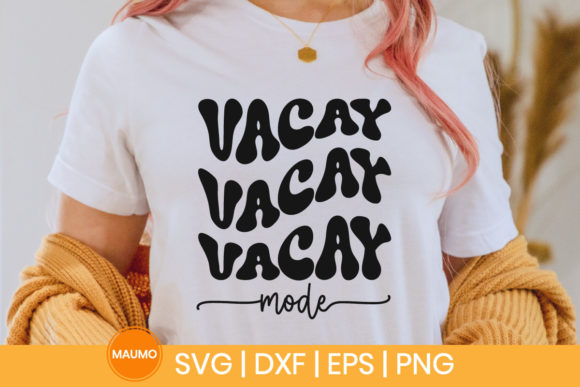
Vacay Mode Groovy SVG: A Designer’s Embroidery Review
As an embroidery designer who has spent countless hours digitizing and stitching out thousands of designs, I have learned that the visual appeal of a graphic on a screen does not always translate seamlessly to thread on fabric. When I first encountered Vacay Mode, Vacation Groovy Svg Quote, my initial reaction was one of cautious optimism. The retro, groovy aesthetic is undeniably popular in current fashion trends, but translating those smooth, flowing vector lines into a tactile machine embroidery design requires careful consideration of stitch types, density, and fabric behavior.
First Impressions and Visual Personality
The mood of this design is instantly recognizable: relaxed, nostalgic, and cheerful. It captures the essence of a carefree holiday vibe, making it a strong candidate for seasonal collections or lifestyle branding. From a layout perspective, the typography is bold and curvy, which is excellent for visibility. However, as a reviewer evaluating this for real project use, I look beyond the aesthetics. I ask myself how these shapes will hold up under the needle. The thick strokes suggest that a fill stitch would be appropriate for the larger areas, while the finer details might require a precise satin stitch or even a running stitch outline to maintain clarity without adding excessive bulk.
This piece falls under the category of Print Templates and Graphics, which means it is originally designed for cutting machines like Cricut or Silhouette. For us in the embroidery world, this presents both an opportunity and a challenge. We must adapt the concept from a cut-file mindset to a stitch-file mindset. If you are purchasing this as a digital asset to convert or use as a reference for digitizing, the clean lines are a blessing. If you are using it as-is for heat transfer or applique, the simplicity is a major advantage.
Real-World Application: The Custom Tote Bag Scenario
To truly test the viability of Vacay Mode, Vacation Groovy Svg Quote, I imagined a specific real-life scenario: creating a line of custom tote bags for a local beach boutique. The client wanted something durable, stylish, and quick to produce. Here, the design’s performance becomes critical. On a canvas tote, which has a relatively coarse fabric texture, the bold nature of this quote works well. It doesn’t get lost in the weave.
If I were stitching this directly onto the bag, I would likely opt for an applique design approach. Using a contrasting fabric for the letters and securing them with a satin stitch border would reduce the stitch count significantly compared to filling the entire text with thread. This method also prevents the fabric from puckering, a common issue when dense embroidery meets lightweight or unstable materials. The result is a professional-looking handmade product that feels high-quality to the touch, rather than stiff and cardboard-like.
Versatility Across Product Lines
Beyond tote bags, this design has strong potential for various custom apparel items. Imagine it embroidered on the chest of a oversized sweatshirt. The sweatshirt embroidery market is huge among Etsy sellers and small shop owners. The groovy font pairs perfectly with the cozy, casual vibe of fleece. However, one must be mindful of the hoop size. Ensure your machine can accommodate the width of the phrase, especially if you plan to scale it up for a back print.
For smaller items, such as a personalized gift like a key holder or a mug wrap (using sublimation or vinyl rather than direct embroidery), the design scales down reasonably well. But for direct stitching on small items like baby clothes, caution is advised. The intricate curves might become too dense for delicate cottons used in baby embroidery. In such cases, simplifying the design or using lighter weight threads is essential to maintain comfort against sensitive skin.
Technical Considerations for Embroiderers
When working with any graphic-turned-embroidery project, technical execution is everything. Here are the critical factors I evaluate before committing to a production run:
- Stitch Density: Groovy fonts often have thick stems. If digitizing this yourself, ensure you use a pattern fill or a less dense zigzag to avoid creating a hard patch that distorts the fabric. High stitch density can cause pulling, especially on stretchy fabrics like t-shirts.
- Stabilizer Selection: For knit fabrics, a cut-away stabilizer is non-negotiable to support the weight of the thread. For woven towels or aprons, a tear-away might suffice, but test first. The right stabilizer ensures the finished product lies flat and retains its shape after washing.
- Thread Colors: This design screams for vibrant, retro palettes. Think mustard yellows, teal blues, and burnt oranges. However, always check thread colors against your fabric background. High contrast is key for readability. A dark thread on a dark shirt will render the message invisible.
- Fabric Texture: Textured fabrics like terry cloth towels can swallow small details. Since this design relies on bold shapes, it performs better on textured surfaces than fine-line scripts would. It is an excellent choice for holiday embroidery on kitchen towels or beach accessories.
Navigating Limitations and Risks
While Vacay Mode, Vacation Groovy Svg Quote is versatile, it is not without its limitations. Be cautious when applying it to curved surfaces like caps. The rigid nature of bold lettering can cause bridging or gaps if the cap’s curvature is not accounted for in the digitizing process. Additionally, tiny corners in the lettering can trap thread or break needles if the stitch angle is not optimized.
For commercial embroidery projects, durability is paramount. Items that undergo frequent washing, such as gym bags or work aprons, need secure anchoring stitches. If you are using this as a reference for a vinyl cut or sublimation print, these concerns are minimized, but for direct stitching, they are critical to customer satisfaction. A finished product that unravels after two washes damages your brand reputation.
Designer Notes and Best Practices
Before you list this as a new item in your craft business or use it for a client order, follow these practical steps:
- Test on Scrap Fabric: Never stitch directly on your final garment. Use a similar fabric scrap to test tension and registration.
- Check Licensing: The product description mentions it is an SVG/DXF file for cutting machines. Confirm whether the license allows for commercial use of the resulting physical goods. Most designers allow selling finished physical items, but reselling the digital file itself is usually prohibited. Always verify before listing on Etsy or other platforms.
- Mockup Validation: Create printable mockup images to see how the design looks on different backgrounds. Sometimes, a design that looks great in color fails in black and white. Ensure it has strong silhouette value.
- File Conversion: Since this is provided as an SVG/DXF, you will need embroidery software to convert it into a stitch file (PES, DST, etc.) if you intend to machine embroider it directly. Do not assume the SVG will stitch out perfectly without manual digitizing adjustments.
In conclusion, Vacay Mode, Vacation Groovy Svg Quote is a strong contender for summer-themed collections and retro-inspired design assets. Its bold personality makes it stand out in a crowded market of small shop products. By paying attention to stitch density, fabric choice, and proper stabilization, you can transform this simple graphic into a high-value, professional embroidery project that delights customers and enhances your portfolio. Whether you are creating a unique embroidered patch or a full-sized tote bag design, this groovy quote offers the playful energy that modern buyers are looking for.