Reviewing Mothers Day Coloring Page Vol 3 for Stitchers
As a designer who spends more time staring at stitch simulations than actual fabric, I have learned that not every pretty graphic translates well into thread. When I first opened Mothers Day Coloring Page Vol 3, my initial reaction was one of cautious optimism. The collection, categorized under Coloring Pages Amp and listed as Graphics, promises versatility for low-content businesses and crafters alike. But for those of us running embroidery machines, the question is always the same: will this digitize cleanly, or will it turn into a bird’s nest of broken threads?
I decided to put these assets through a rigorous mental and practical evaluation, imagining them not just as digital files, but as tangible, stitched products. My goal was to determine if Mothers Day Coloring Page Vol 3 holds up under the needle, specifically for custom apparel, handmade gifts, and small shop merchandise.
The First Impression: Mood and Layout
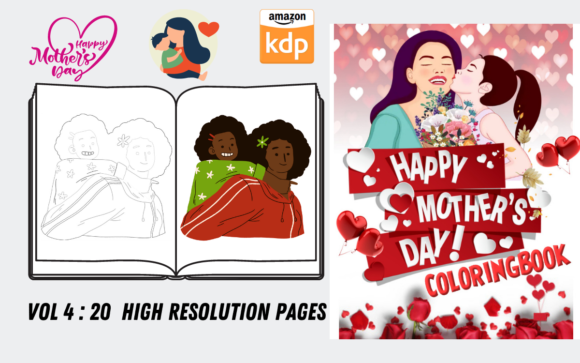
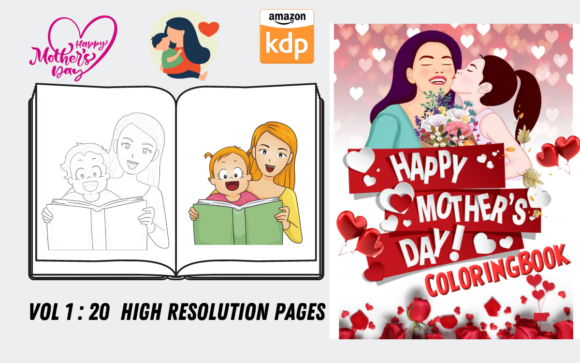
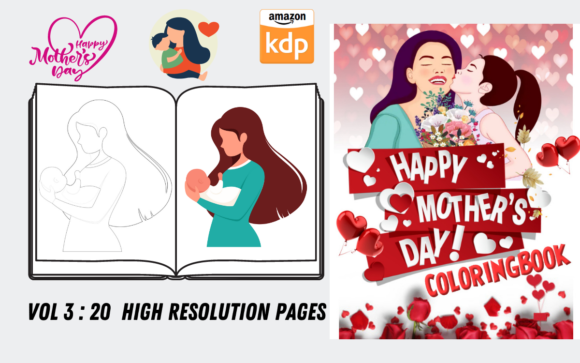
The visual personality of this volume is distinct. It leans into a hand-drawn, whimsical aesthetic that feels warm and inviting. For embroidery, this is a double-edged sword. On one hand, the organic lines suggest a softness that pairs beautifully with satin stitches and running stitches. On the other hand, intricate coloring page details can sometimes get lost if the stitch density is too high or the hoop size is too small.
The layout of the designs in Mothers Day Coloring Page Vol 3 suggests they were originally intended for paper and crayons. This means there are likely open spaces and defined borders. For an embroidery designer, this is good news. It allows us to choose between filling areas with dense fill stitches or leaving them open for a more modern, minimalist look. The theme is unmistakably celebratory, focusing on maternal figures, flowers, and affectionate messaging. This emotional resonance is crucial when creating a personalized gift or holiday embroidery piece, as the customer is buying the feeling as much as the product.
Real-World Application: From Screen to Sweatshirt
To truly evaluate the utility of these graphics, I imagined a specific real-life scenario. A client approaches me with a request for a custom embroidered tote bag for a local boutique’s Mother’s Day sale. They want something that appeals to both kids and adults, avoiding overly juvenile cartoons while steering clear of stiff, formal typography.
This is where Mothers Day Coloring Page Vol 3 shines. I selected a design featuring a stylized floral arrangement with a central "Mom" motif. Because the source material is a coloring page, the lines are bold and clear. In a real embroidery project, this clarity translates well. I envisioned using a combination of satin stitch for the lettering to give it a raised, premium texture, and a lighter fill stitch or even just running stitches for the flower petals to keep the fabric from puckering.
If I were applying this to a sweatshirt embroidery project, the thicker fabric would support the design well. The texture of the fleece or cotton blend would complement the hand-drawn vibe of the original graphic. However, if I were moving this same design to a baby embroidery project on a thin onesie, I would need to be far more careful. The stitch density would need to be reduced significantly, and a high-quality cut-away stabilizer would be non-negotiable to prevent distortion.
Navigating Technical Challenges
While the aesthetic appeal is strong, we must address the technical realities of converting Graphics into a functional machine embroidery design. Since Mothers Day Coloring Page Vol 3 is sold primarily as a coloring page asset, it may not come as a pre-digitized embroidery file. This is a critical distinction for Etsy sellers and craft business owners.
If you are purchasing this as a graphic to digitize yourself, you have full control. You can decide whether to use an applique design approach, where you stitch down a piece of contrasting fabric to fill large areas, thereby reducing stitch count and bulk. This is particularly useful for tote bag designs or aprons where you want the design to pop without making the item stiff.
However, if you are expecting a ready-to-stitch file, you must verify the format. Always check if the provider offers common formats like PES, DST, or EXP. If the product is strictly a PNG or JPEG, you will need digitizing software. Even then, automatic digitizing rarely yields professional results for complex coloring pages. Manual editing is required to ensure that tiny corners do not become tangled knots and that the transition between thread colors is smooth.
There are specific situations where you should use caution. Small hoop sizes, such as 4x4 inches, might force you to shrink the design too much, causing fine details to merge. Textured fabrics like terry cloth towels can swallow up thin running stitches, making the design look incomplete. Dark fabrics require careful planning of thread colors; a light pastel thread on black fabric needs a proper underlay to prevent the background from showing through.
Enhancing Brand Value and Customer Trust
For small shop products and boutique branding, consistency is key. Using a cohesive set like Mothers Day Coloring Page Vol 3 allows you to create a matched set of items—perhaps a pillow cover, a kitchen towel, and a cap. This kind of curation increases the perceived value of your handmade product. Customers trust brands that pay attention to detail. When the stitching is clean, the tension is balanced, and the design choice feels intentional, it builds buyer engagement.
Moreover, these designs work exceptionally well for printable mockups. Before you stitch a single thread, you can place the graphic on digital images of sweatshirts or totes to gauge market interest. This saves time and materials. For digital product sellers, offering these as part of a bundle with digitized files can be a powerful revenue stream, provided you have the correct commercial license.
Practical Notes for the Embroidery Designer
Before you commit to a large production run or a high-ticket custom order, follow these practical steps:
- Test on Scrap Fabric: Always stitch out the design on the same type of fabric you intend to use for the finished product. This reveals issues with pull compensation and density.
- Check Thread Color Contrast: Coloring pages often rely on color blocking. Ensure your chosen thread colors have enough contrast to define the shapes clearly.
- Review Stitch Density: If the design feels heavy, reduce the density. Too many stitches on a lightweight fabric will cause puckering and ruin the garment.
- Confirm Hoop Size: Ensure the design fits comfortably within your hoop, leaving enough margin for the frame to grip the fabric securely.
- Inspect Small Details: Zoom in on the digitized version. Are there tiny jumps or unnecessary trims? Clean up the pathing to reduce thread waste and machine time.
- Verify Licensing: This is paramount. Check the terms for Mothers Day Coloring Page Vol 3. Can you sell the finished embroidered items? Can you sell the digitized file? Never assume. Clarify whether the license covers commercial embroidery or if it is for personal use only.
Final Verdict
Mothers Day Coloring Page Vol 3 offers a charming, versatile foundation for creative entrepreneurs. It is not just a static image; it is a springboard for thoughtful design. Whether you are creating a heartfelt personalized gift, stocking your Etsy shop with holiday embroidery items, or developing a new line of custom apparel, this collection has potential. However, its success depends entirely on your technical execution. Treat the graphic with respect, digitize with precision, and stitch with care. When done right, the result is a professional, high-quality finished product that customers will cherish.