Reviewing Basic Witch Retro Wavy Sublimation SVG for Embroidery
As a designer who spends half my life digitizing and the other half stitching, I have learned that not every trendy graphic translates well to thread. We live in an era where sublimation files are everywhere, but using them for embroidery requires a critical eye. Recently, I pulled up the Basic Witch Retro Wavy Sublimation SVG to evaluate its potential for real-world craft projects. While marketed primarily as a sublimation asset, the vector nature of this file makes it a compelling candidate for machine embroidery if handled correctly.
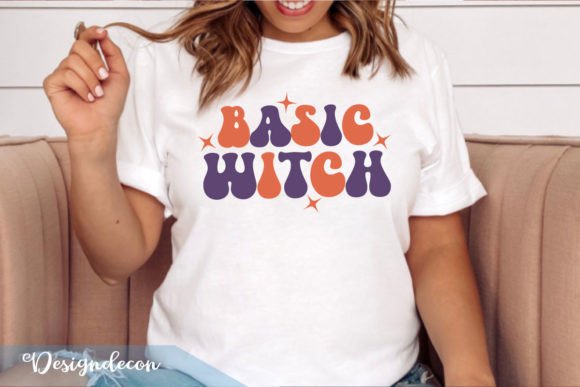
The first impression is undeniably charming. The design leans heavily into the retro aesthetic that has dominated the handmade market for the last few years. The wavy, distorted typography creates a sense of movement and whimsy that feels perfect for Halloween without being overly spooky or childish. For an embroidery project, this layout presents both opportunities and challenges. The curves are smooth, which is excellent for satin stitches, but the tightness of the waves means you must be mindful of stitch density to avoid puckering.
Visual Appeal and Design Personality
The mood of this graphic is playful and nostalgic. It captures that specific mid-century modern vibe that pairs beautifully with autumnal color palettes. When I look at this as a potential embroidery file, I immediately think about thread choices. A matte rayon or polyester thread would complement the retro feel better than high-sheen metallics. The design’s personality suggests it belongs on casual, comfortable items rather than formal wear. It screams "cozy fall afternoon," making it an ideal choice for personalized gifts that evoke warmth and humor.
For those of us running a small shop product line, visual consistency is key. This design fits seamlessly into a broader collection of holiday embroidery assets. It does not scream for attention with excessive detail; instead, it relies on strong silhouettes and recognizable typography. This simplicity is a strength in embroidery, where less is often more. Complex gradients from sublimation do not translate to thread, so the solid, bold nature of this vector graphic is actually an advantage when converting it for stitching.
Real-World Application: The Custom Tote Bag Test
To truly understand how this design performs, I imagined applying it to a heavy canvas tote bag. This is a classic use case for Etsy sellers and craft business owners during the October rush. The flat, stable surface of a tote allows the wavy text to lay evenly without distortion. If you were to digitize this for a 5x7 hoop, the result would be a striking centerpiece. The contrast between a cream-colored canvas and deep purple or orange thread would make the "Basic Witch" quote pop, ensuring high buyer engagement.
However, the application changes if you move to curved surfaces. Consider a baseball cap. The wavy text might distort further when stitched over the crown’s curve. In this scenario, I would advise breaking the design into smaller sections or using a lighter fill stitch approach to maintain readability. For sweatshirt embroidery, the design works well on the chest or back, provided you use a cut-away stabilizer to support the weight of the stitches against the stretchy fabric.
Navigating Fabric and Stitch Constraints
One of the most critical aspects of using a sublimation SVG for embroidery is understanding what the file is not. It is not a pre-digitized stitch file. You cannot simply load an SVG into your machine and expect magic. You must digitize it, paying close attention to stitch density. The tight loops in the wavy letters can easily become dense blobs of thread if you are not careful. I recommend using a combination of satin stitches for the outlines and a light fill stitch for any larger enclosed areas, though this particular design appears to rely mostly on outlined typography.
Fabric texture plays a massive role here. On textured fabrics like terry cloth towels or fuzzy fleece, fine details can get lost. If you are creating kitchen towel designs or baby embroidery items, ensure your stitch width is wide enough to stand out against the pile of the fabric. Conversely, on thin fabric like a lightweight t-shirt, you must use a proper stabilizer to prevent the garment from warping under the tension of the embroidery. Always test the design on scrap fabric first. This simple step saves hours of frustration and ruined garments.
Commercial Viability for Small Businesses
For the Etsy seller or boutique owner, the versatility of this design is its biggest selling point. It fits naturally into categories like custom apparel, holiday gifts, and even nursery decor if the colors are softened. The retro style appeals to a broad demographic, from young adults looking for funny Halloween shirts to parents wanting cute seasonal decor. Because the file includes EPS, SVG, DXF, and PNG formats, you have the flexibility to resize the design without losing quality. This is crucial for creating scalable design assets for various products.
When preparing this for commercial embroidery, consider the licensing. While the product description notes it is easy to resize and change colors, always confirm the license terms before selling finished items. Most designers allow commercial use for physical products but restrict the resale of the digital file itself. Ensuring you are compliant builds trust with your customers and protects your brand reputation.
Practical Designer Notes for Best Results
Before you commit to stitching this on a final product, keep these practical tips in mind:
- Check Thread Color Contrast: Since the design relies on typography, ensure your thread color contrasts sharply with the fabric. Dark threads on dark fabrics will render the text unreadable.
- Review Stitch Density: If you are digitizing this yourself, reduce the density in overlapping areas of the wavy text to prevent thread breaks and bulk.
- Confirm Hoop Size: Determine the maximum size your hoop can handle and scale the design accordingly. A 4x4 hoop might require simplifying the design, while a 6x10 hoop allows for full detail.
- Inspect Small Details: Zoom in on the vector file. Are there any tiny anchor points or stray nodes? Clean up the vector path before digitizing to ensure smooth stitch paths.
- Test on Light and Dark Backgrounds: Create mockups or test stitches on both white and black fabric to see how the design holds up. This helps in marketing your finished product effectively.
In conclusion, the Basic Witch Retro Wavy Sublimation SVG is a strong contender for your autumn design library. While it requires thoughtful digitization and material selection, its retro charm and versatile layout make it a valuable asset for any creative entrepreneur. Whether you are making a single personalized gift or stocking your small shop with seasonal merchandise, this design offers the right balance of trendiness and timeless appeal. Just remember, the success of the final product lies in the preparation, testing, and attention to detail that you put in before the needle ever hits the fabric.