Nurse T-Shirt Design: A Designer’s Practical Review
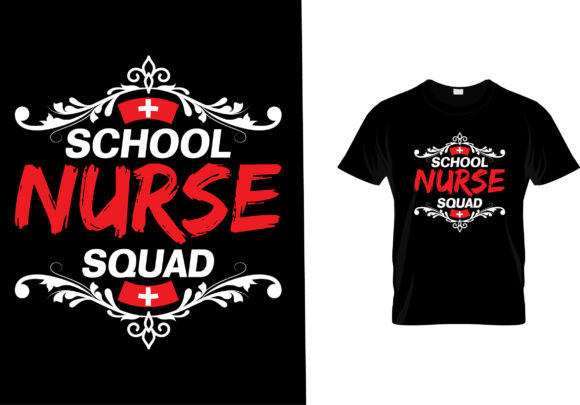
When I first pulled up the Nurse T-shirt Design on my screen, I wasn’t just looking at a graphic; I was visualizing the needle hitting the fabric. As an embroidery designer and product reviewer, my job is to look past the pretty pixels and determine if a design will actually survive the rigors of machine stitching, washing, and daily wear. This particular asset caught my eye because it sits at the intersection of professional pride and personal style, a combination that sells well but can be tricky to execute correctly in thread.
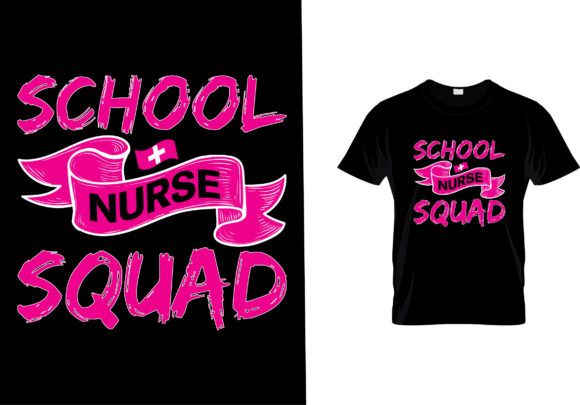
The initial impression is one of clean, respectful professionalism. The layout avoids the cluttered, clip-art aesthetic that often plagues medical-themed graphics. Instead, it offers a balanced composition that suggests clarity and care. For those of us creating custom apparel for healthcare workers, this mood is essential. Nurses do not want loud, chaotic designs on their scrubs or off-duty wear; they want something that honors their profession with dignity. This design delivers that subtle confidence, making it a strong candidate for both boutique branding and personalized gifts.
Visualizing the Stitch-Out: From Screen to Fabric
To truly evaluate this Graphics file, I imagined a real-world scenario. A local boutique owner approached me to create a line of high-quality tote bags for nursing graduates. She needed a design that would look premium, not like a cheap souvenir. I loaded the Nurse T-shirt Design into my digitizing software to inspect how the shapes would translate into stitch types.
The core elements of the design appear to rely on solid shapes rather than intricate, hairline details. This is a positive sign for embroidery. In a real project, such as a sweatshirt embroidery piece or a sturdy canvas tote bag design, these broader areas allow for consistent fill stitch coverage without excessive puckering. If this were purely an applique design, the edges would need to be crisp to ensure the fabric cut lines are clear. However, assuming it is intended for direct stitching, the visual weight suggests it can handle standard thread colors like medical blue, crisp white, or soft pink without losing definition.
I also considered how this would look on a caps or hats. Curved surfaces are unforgiving. If the design has wide, horizontal spans, it might distort on a structured cap. However, for a flat surface like a pillow cover or a kitchen towel, the proportions seem ideal. It is compact enough to fit within a standard 4x4 or 5x7 hoop, which is crucial for small shop owners who may not have large multi-needle machines.
Material Considerations and Stitch Density
One of the most critical aspects of using any machine embroidery design is understanding how it interacts with fabric texture. This design seems versatile, but caution is required when moving between materials. For a heavy cotton apron or a denim jacket, the stitch density appears sufficient to cover the weave. But what about thinner fabrics?
If you plan to use this on a lightweight tri-blend t-shirt or a silky baby embroidery item, you must pay attention to stabilization. A dense fill stitch on thin material will cause pulling and distortion. I recommend using a cut-away stabilizer for garments that will be washed frequently, such as scrubs or everyday tees. For decorative items like a holiday embroidery ornament or a wall hanging, a tear-away might suffice, but always test on scrap fabric first.
Another consideration is dark fabric. If the design relies on light thread colors against a navy or black background, you may need to adjust your underlay stitches or add a backing layer to prevent the fabric color from showing through. This is a common issue with medical themes that often utilize white or pastel threads. A quick test stitch-out on a dark swatch will save you from ruining a client’s garment.
Commercial Viability and Customer Trust
For Etsy sellers and craft business owners, the visual appeal of the finished product directly impacts buyer engagement. This Nurse T-shirt Design has a polished look that enhances perceived value. When customers see clean lines and professional presentation, they trust the quality of the handmade product. It fits seamlessly into categories like wedding gifts for nurse bridesmaids, personalized gift ideas for retirement, or small shop product lines aimed at healthcare heroes.
However, versatility is key. While the title suggests t-shirts, the provided formats—EPS File, SVG File, and PNG File 4500×5400—indicate this is primarily a graphic asset for sublimation or print-on-demand rather than a native embroidery file format like DST or PES. This is a crucial distinction. If you are an embroidery designer, you will need to digitize this graphic yourself or convert it using specialized software. The high-resolution PNG is excellent for creating printable mockup previews for your online store, allowing customers to visualize the design on various products before purchasing.
Using the SVG and EPS files allows for infinite scalability without loss of quality, which is vital if you are adapting the design for different hoop size constraints or resizing it for a large blanket versus a small embroidered patch. This flexibility makes it a valuable addition to your design assets library.
Practical Notes for the Maker
Before launching this design into your production line, keep these practical tips in mind:
- Check Licensing: Always confirm whether the license allows for commercial use of finished physical items. Since this is sold as a graphic pack, ensure you have the right to sell products made with the digitized version.
- Digitize with Care: If converting from SVG to embroidery, manually adjust stitch angles to follow the contours of the design. Avoid auto-digitizing complex shapes, as it often leads to messy running stitch paths and inefficient thread usage.
- Test Thread Contrast: Medical themes often look best with high contrast. Try white thread on royal blue fabric, or gold thread on black, to see which combination highlights the design’s features best.
- Inspect Small Details: If the design includes tiny text or symbols, ensure they are large enough to stitch clearly. Tiny details can get lost in the fabric pile or break during washing.
- Mockup Variations: Use the PNG file to create mockups on different backgrounds. Show potential buyers how the design looks on a mug, a bag, and a shirt to expand your market reach.
In conclusion, the Nurse T-shirt Design is a solid, professional asset that bridges the gap between digital graphics and tangible handmade goods. While it requires careful digitization for embroidery use, its clean lines and respectful theme make it a worthwhile investment for creators focusing on commercial embroidery and personalized healthcare merchandise. With proper stabilization and thread selection, it can elevate a simple garment into a cherished keepsake.